New Release
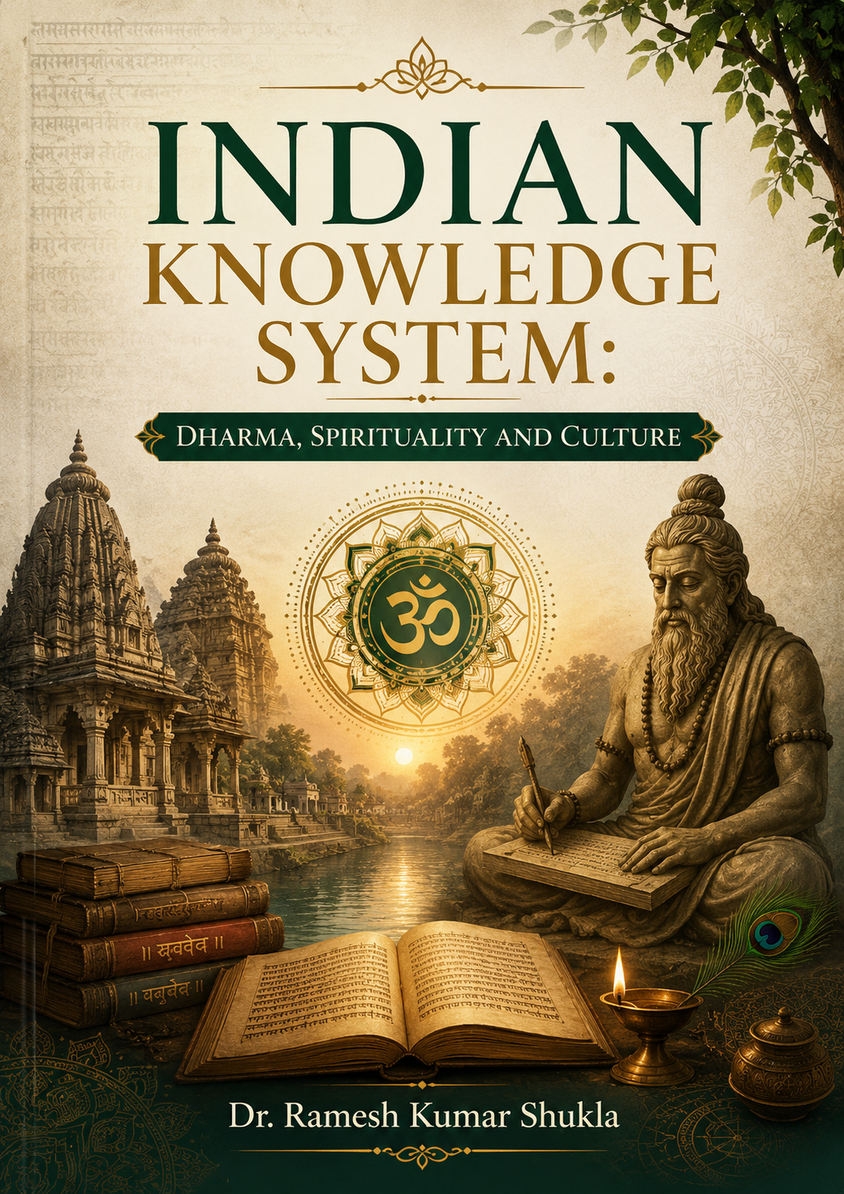
Indian Knowledge System: Dharma, Spirituality and Culture
Indian Knowledge System: Dharma, Spirituality and Culture
Available Formats:
₹1,000.00
Physical book - shipping included
Description
This book, entitled *Indian Knowledge System: Dharma, Spirituality and Culture*, is a sincere attempt to explore the rich philosophical, spiritual, intellectual, and cultural heritage of ancient India. The Indian Knowledge System (IKS) was largely neglected and overlooked during the modern period. This disconnect from traditional wisdom, much of which continues to remain relevant, contributed to an imbalance in our intellectual and social development and limited our ability to progress in a holistic manner. Over time, our capacity for critical thinking and deeper understanding was affected, resulting in a greater dependence on Western concepts, perspectives, and intellectual traditions. IKS places considerable emphasis on spirituality and self-realization, which can contribute to mental clarity, emotional strength, and personal independence.
This book explores the fundamental principles and concepts of IKS while highlighting the rich heritage of Bharat. It invites readers on a transformative intellectual journey, with particular emphasis on understanding life, human existence, and the relationship between individuals and society. IKS is not confined to any single discipline. In fact, it encompasses diverse fields such as mathematics, medicine, including Ayurveda, astronomy, philosophy, yoga, architecture, and the arts, thereby presenting a holistic framework of knowledge.
The book examines how traditional knowledge can contribute to innovative solutions, the preservation of cultural heritage, and the advancement of knowledge and innovation, which remain important for human development and the progress of civilization. It addresses a wide range of interdisciplinary topics that are relevant to future research, particularly in the field of liberal arts. The chapters encourage critical thinking, thoughtful reflection, and a deeper understanding of India's enduring intellectual traditions and cultural heritage. The contributing authors endeavour to bridge the gap between ancient wisdom and contemporary realities by emphasizing the continued relevance of traditional knowledge systems. The book further illustrates how traditional wisdom and indigenous knowledge can contribute to individual development, moral values, ethical awareness, and responsible leadership.
I sincerely appreciate the efforts of Dr. R.K. Shukla and all the contributing authors for their thoughtful perspectives and valuable contributions to this significant publication. Their commitment to academic excellence and intellectual inquiry has enhanced the relevance of this book in the contemporary context. I believe that this work will serve as a useful resource for students, researchers, educators, and others interested in understanding India's rich cultural and intellectual legacy.
The book also addresses various social issues and contemporary challenges faced by our nation while exploring meaningful approaches to addressing them. I am confident that this publication will encourage constructive dialogue, promote deeper academic engagement, and foster collaborative research among scholars working in diverse areas of knowledge.
This book explores the fundamental principles and concepts of IKS while highlighting the rich heritage of Bharat. It invites readers on a transformative intellectual journey, with particular emphasis on understanding life, human existence, and the relationship between individuals and society. IKS is not confined to any single discipline. In fact, it encompasses diverse fields such as mathematics, medicine, including Ayurveda, astronomy, philosophy, yoga, architecture, and the arts, thereby presenting a holistic framework of knowledge.
The book examines how traditional knowledge can contribute to innovative solutions, the preservation of cultural heritage, and the advancement of knowledge and innovation, which remain important for human development and the progress of civilization. It addresses a wide range of interdisciplinary topics that are relevant to future research, particularly in the field of liberal arts. The chapters encourage critical thinking, thoughtful reflection, and a deeper understanding of India's enduring intellectual traditions and cultural heritage. The contributing authors endeavour to bridge the gap between ancient wisdom and contemporary realities by emphasizing the continued relevance of traditional knowledge systems. The book further illustrates how traditional wisdom and indigenous knowledge can contribute to individual development, moral values, ethical awareness, and responsible leadership.
I sincerely appreciate the efforts of Dr. R.K. Shukla and all the contributing authors for their thoughtful perspectives and valuable contributions to this significant publication. Their commitment to academic excellence and intellectual inquiry has enhanced the relevance of this book in the contemporary context. I believe that this work will serve as a useful resource for students, researchers, educators, and others interested in understanding India's rich cultural and intellectual legacy.
The book also addresses various social issues and contemporary challenges faced by our nation while exploring meaningful approaches to addressing them. I am confident that this publication will encourage constructive dialogue, promote deeper academic engagement, and foster collaborative research among scholars working in diverse areas of knowledge.
About the Author